
Understanding the psychological triggers that drive gambling behavior in casinos
The Illusion of Control
One significant psychological trigger in gambling is the illusion of control. Players often believe they can influence the outcome of random events, such as dice rolls or card draws. This belief can lead to a heightened sense of confidence and engagement. In reality, most casino games are designed to be purely chance-based, but this misconception encourages players to take risks they might otherwise avoid. At 666 Casino Sister Sites, https://sistersitescasino.co.uk/casinos/666-casino/ you can uncover detailed insights that can help mitigate these risky decisions.
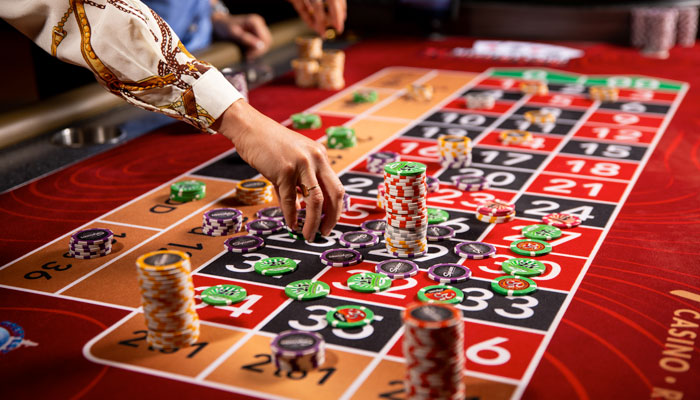
This illusion is reinforced by occasional wins, which can further fuel the desire to keep playing. The more players engage, the more they feel they can sway the outcome, leading to prolonged gambling sessions that may spiral into problematic behavior.
The Role of Rewards and Reinforcement
Another key psychological trigger is the system of rewards and reinforcement that casinos employ. Variable rewards, where players receive unexpected wins at irregular intervals, create a compelling experience that keeps individuals coming back. The unpredictability of winning can generate excitement and anticipation, making it difficult for players to resist the allure of the next game.
This mechanism is similar to how slot machines operate, providing intermittent rewards that can lead to prolonged gambling. The brain’s reward system releases dopamine, a neurotransmitter linked to pleasure, reinforcing the behavior and making it increasingly addictive over time.
Social Influences and Peer Pressure
Social dynamics play a significant role in gambling behavior as well. Casinos often create environments that encourage group interactions and a sense of community. This social aspect can lead individuals to gamble in order to fit in or enjoy the experience with friends, amplifying their gambling behavior.
Moreover, the presence of others can create a sense of competition or urgency, influencing players to make decisions they might not otherwise consider. The pressure to conform to group norms can drive individuals to continue gambling even when they recognize the risks involved.
The Impact of Environment and Design
The design of casinos is specifically tailored to enhance the gambling experience. Bright lights, lively sounds, and the absence of clocks create an immersive environment that can distort players’ perception of time. This sensory overload can lead to longer gambling sessions as players lose track of their spending and time.
Furthermore, the strategic placement of games and rewards can encourage players to engage more with the casino. Casinos often use layouts that promote high traffic areas for certain games, enticing players to try their luck more frequently.

Exploring Gaming Options on Specialized Platforms
For those interested in exploring various gaming experiences, specialized platforms offer a comprehensive overview of online casinos. These sites provide insights into different casinos, including gameplay features, promotions, and user reviews. By understanding the psychological triggers behind gambling, players can make informed decisions about where to play and how to manage their behavior.
Engaging with these resources can help individuals navigate the vast world of online gaming, ensuring a more enjoyable and responsible gambling experience. By being aware of the psychological aspects of gambling, players can better understand their habits and make choices that align with their preferences and limits.