
Cultural perspectives on luck in gambling How beliefs shape play
The Concept of Luck Across Cultures
The notion of luck is deeply ingrained in various cultures, influencing how individuals approach gambling. In some societies, luck is perceived as a force that can be harnessed through rituals and specific actions. For instance, in many Asian cultures, the belief in auspicious numbers, colors, and rituals can significantly affect gambling behavior. Many people visit online platforms such as https://khelovipbet.com/ where they may wear certain clothes or engage in specific practices to attract good fortune, demonstrating how cultural narratives shape gambling experiences.
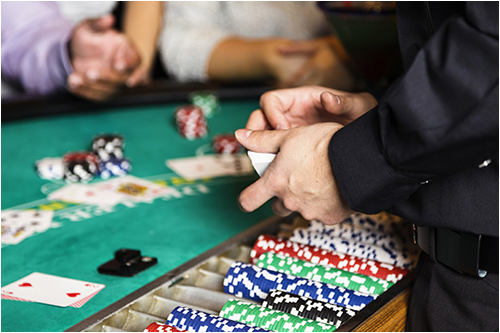
Conversely, Western perspectives often frame luck as a random occurrence, relying more on statistical probabilities and chance. This contrasts sharply with cultures that attribute success in gambling to divine intervention or ancestral spirits. In the Western world, the rise of gambling as a recreational activity has led to a more secular understanding of luck, where players focus on strategy and skill rather than supernatural influences.
Moreover, these cultural beliefs not only affect individual gambling habits but also influence the design and marketing of gambling products. Online platforms, for instance, often tailor their offerings to resonate with the local perception of luck. Understanding these cultural nuances is crucial for businesses aiming to attract diverse players and create a more engaging gambling environment.
Superstitions and Gambling Behavior
Superstitions play a pivotal role in how individuals engage with gambling activities. From carrying a lucky charm to performing rituals before placing bets, these beliefs can significantly impact a player’s confidence and decision-making. For example, in many cultures, it is common to believe that certain actions, like knocking on wood or throwing salt over one’s shoulder, can ward off bad luck. Such practices often create a psychological edge for players, influencing their behavior at the gaming table.
In addition, the presence of superstitions can lead to communal gambling behaviors. People often share rituals and stories that enhance the collective experience of luck. This can be observed in traditional games like poker, where players might adopt specific phrases or hand gestures believed to bring good fortune. This shared belief system not only fosters camaraderie among players but also adds an extra layer of excitement to the game.
Moreover, superstitions can influence the gambling environment itself. Casino designers often capitalize on these beliefs by creating atmospheres that evoke feelings of luck and prosperity. The use of colors, sounds, and symbols in gaming spaces is often carefully planned to resonate with players’ superstitions, enhancing their overall experience and encouraging further play.
Cultural Narratives of Luck in Gambling
Cultural narratives surrounding luck and gambling are often passed down through generations, shaping how communities view risk-taking. In some cultures, stories of individuals striking it rich at the lottery are celebrated, reinforcing the idea that anyone can change their fate. These narratives can inspire people to take risks, believing that luck is a commodity to be pursued rather than a mere chance occurrence.
In contrast, there are also narratives that emphasize caution and the dangers of gambling. Many cultures have folk tales that serve as warnings against the pitfalls of excessive gambling and reliance on luck. These contrasting narratives create a complex landscape where gambling is both celebrated and criticized, influencing how individuals perceive their own chances of success.
This duality of narratives emphasizes the importance of context in shaping gambling behaviors. An individual raised in a culture that celebrates luck may approach gambling with optimism, while someone from a more cautionary tradition may proceed with trepidation. Understanding these narratives provides valuable insight into the motivations behind gambling behaviors across different cultures.
The Influence of Religion on Gambling Practices
Religion can significantly shape cultural attitudes toward luck and gambling. In many religious contexts, gambling is viewed with skepticism or outright disapproval, framing it as a vice that diverts individuals from moral paths. For example, in Islamic cultures, gambling is often prohibited, as it is seen as relying on chance rather than hard work and personal effort. This religious stance influences how communities engage with gambling, leading to a lower prevalence of gambling activities.
Conversely, certain religions may promote more liberal views on luck and risk-taking. In some Christian denominations, for instance, games of chance are sometimes viewed as a form of entertainment, provided they are approached responsibly. This religious acceptance can foster a more positive environment for gambling, encouraging participation without guilt or fear of divine retribution.
Additionally, religious beliefs can affect the types of games that are popular within specific cultures. For example, in regions where gambling is accepted, games that involve strategy and skill may be favored over purely luck-based games. This reflects a deeper cultural narrative that prioritizes personal agency and responsibility, shaping how individuals interact with the gambling landscape.

KheloVIP: A Cultural Hub for Online Gambling
KheloVIP serves as an excellent example of how cultural perspectives on luck and gambling can be blended into a modern online gaming platform. Designed specifically for Bangladeshi players, KheloVIP understands the local cultural narratives and superstitions that influence gambling behavior. By offering a wide range of games that cater to these beliefs, KheloVIP creates an engaging and culturally relevant experience.
The platform features over 2,000 games, incorporating popular local themes and betting options that resonate with the cultural fabric of Bangladesh. With secure payment methods and dedicated mobile applications, KheloVIP ensures that players can engage with gambling in a familiar and accessible environment, reinforcing positive cultural associations with luck.
Furthermore, KheloVIP’s commitment to customer support and player safety underscores the platform’s dedication to creating a responsible gambling environment. By respecting cultural beliefs while providing a safe space for play, KheloVIP exemplifies how online platforms can navigate the complex interplay of luck, culture, and gambling behaviors in the modern age.