
Cultural shifts and the rising influence of casinos on modern society
The Transformation of Gambling Norms
The cultural perception of gambling has undergone significant changes over the years, transitioning from a taboo activity to a widely accepted form of entertainment. This transformation is largely driven by the increasing visibility of casinos in mainstream media and their integration into various cultural narratives. Today, movies, television shows, and music often portray gambling as an exhilarating pursuit, contributing to its normalization. Consequently, more individuals are willing to participate in gambling activities, viewing them as a legitimate form of recreation rather than a vice, especially with platforms like Lucky Lace Casino making it accessible.
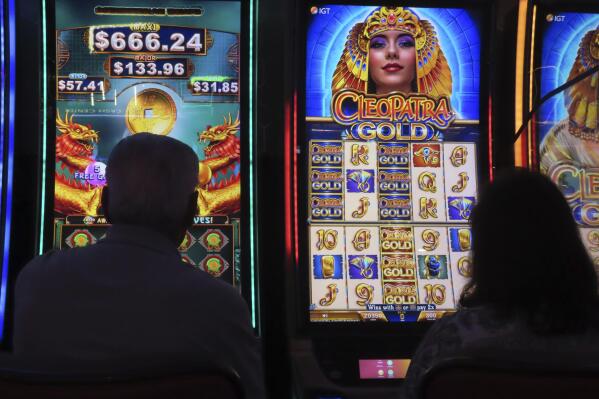
Furthermore, the proliferation of casinos has coincided with a growing acceptance of risk-taking behaviors in society. As people increasingly embrace experiences over material possessions, gambling has emerged as a thrilling option for those seeking excitement. This shift has been amplified by the rise of online platforms, which have made gambling more accessible than ever. With just a few clicks, individuals can explore a plethora of games from the comfort of their homes, further integrating gambling into daily life.
The evolution of societal attitudes toward gambling is also reflected in legislative changes. Many jurisdictions are legalizing gambling to capitalize on its economic potential. This regulatory shift not only acknowledges gambling’s place in modern culture but also serves to provide consumer protections. As laws evolve, they reveal an acceptance of gambling as a form of entertainment, reinforcing its legitimacy within society and encouraging broader participation.
The Rise of Online Casinos
Online casinos have transformed the gambling landscape by introducing a virtual realm that rivals traditional brick-and-mortar establishments. This innovation has redefined how individuals engage with casino games, offering convenience and a diverse array of options. Players can now access their favorite games from anywhere at any time, making the online experience more appealing than ever. The comfort of home, coupled with the anonymity of online gambling, allows for a more relaxed environment in which individuals can enjoy their pastime.
Moreover, the technological advancements that underpin online gambling platforms have contributed to their rapid rise. Features such as live dealer games and virtual reality experiences have bridged the gap between online and physical casinos. These elements not only enhance user engagement but also attract a younger demographic that prefers digital interactions. As a result, online casinos are not merely alternatives; they are becoming the preferred choice for many gamblers.
The competition between online and traditional casinos has compelled both sectors to evolve continuously. Brick-and-mortar establishments are now enhancing their offerings with luxury experiences and entertainment options, such as fine dining and live performances, to draw in visitors. In contrast, online casinos are investing in technology and user experience, creating interactive features that keep players engaged. This rivalry benefits consumers, who can choose from a wider range of options tailored to their preferences.
The Economic Impact of Casinos
The economic impact of casinos extends beyond their immediate revenue generation. They contribute significantly to local economies through job creation and tourism. In many areas, casinos have become economic engines, attracting visitors from far and wide, which stimulates growth in surrounding businesses such as hotels, restaurants, and retail shops. This influx of tourists can bolster an area’s economy and lead to long-term benefits for local communities.
Additionally, casinos contribute to public funding through taxes and fees, which can be reinvested in essential services. Many regions allocate a portion of casino revenue to education, infrastructure, and community projects, enhancing the quality of life for residents. These financial contributions highlight the potential for casinos to be viewed as community partners rather than mere gambling facilities.
However, this economic boon is not without its challenges. Critics argue that the presence of casinos can lead to social issues, including gambling addiction and crime. The balance between economic benefits and societal costs is delicate, requiring careful management and regulation. Communities must weigh the potential for economic growth against the risks of problem gambling, underscoring the importance of responsible gambling practices and awareness campaigns.
The Social Aspects of Casino Culture
Casinos have evolved into social hubs that bring people together, fostering community and interaction. They serve as venues for not only gambling but also entertainment, dining, and social gatherings. This multifaceted role has transformed casinos into vibrant social spaces where individuals can connect over shared interests, creating a sense of belonging and community.
Furthermore, the rise of casino-related events, such as poker tournaments and themed nights, has popularized gambling as a communal activity. These events attract diverse groups of people, from casual gamers to seasoned professionals, enriching the social fabric of the gambling community. As casinos adopt more inclusive practices, they create environments that appeal to various demographics, breaking down traditional barriers associated with gambling.
However, this social aspect can also lead to potential pitfalls, as individuals may prioritize gambling over other social interactions or responsibilities. The challenge lies in maintaining a balance that allows for enjoyment and community without encouraging excessive gambling behaviors. Education and outreach initiatives are critical in promoting healthy gambling habits and fostering a positive casino culture that prioritizes social engagement over addiction.

Exploring Innovative Gaming Experiences
The emergence of innovative gaming experiences is reshaping how players engage with casinos. With the advent of technology, interactive games and immersive environments are becoming standard features in both online and physical casinos. These innovations cater to a growing audience that seeks more than just traditional gambling, turning games into multifaceted experiences that blend skill, strategy, and entertainment.
For instance, online casinos are now incorporating gamification elements, where players can earn rewards and achievements, making the gaming experience more engaging and competitive. This approach not only attracts new players but also retains existing ones by creating a sense of progression and accomplishment. As competition in the gaming industry intensifies, casinos must continually adapt to these changing preferences to remain relevant.
Physical casinos are also embracing these trends, investing in cutting-edge technology to enhance player experiences. Virtual reality and augmented reality games are beginning to make their way into physical venues, offering players a unique way to interact with their favorite games. By blending technology with traditional gaming, casinos are setting the stage for the next evolution of gambling, ensuring that they remain integral to modern entertainment culture.