
Understanding gambling addiction a comprehensive guide to recovery strategies
What is Gambling Addiction?
Gambling addiction, often referred to as compulsive gambling or gambling disorder, is characterized by an uncontrollable urge to gamble despite the negative consequences that may arise. This condition can lead to significant financial, emotional, and psychological distress. Individuals may feel an overwhelming need to continue gambling, often leading to a cycle of loss and an ever-increasing desire to chase their losses. Understanding how to manage your bankroll in such situations is critical. Moreover, finding reliable resources to play at established sites, like payid online pokies, can help alleviate some of the challenges associated with this addiction.
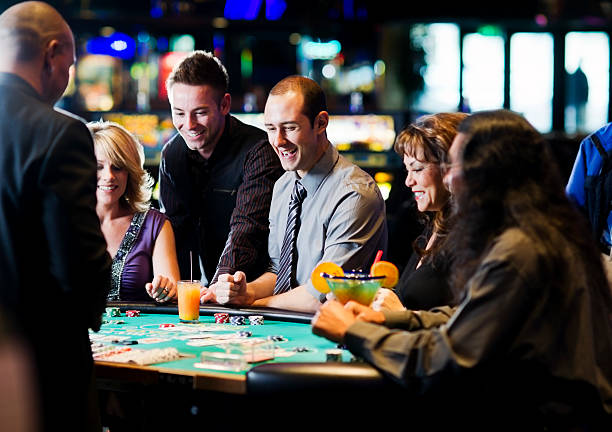
The onset of gambling addiction can manifest in various forms, including an obsession with betting, lying about gambling habits, or even resorting to illegal activities to fund gambling endeavors. It’s important to recognize that gambling addiction is not merely a lack of willpower; it is a recognized mental health condition that can be treated with the right approach. Factors such as genetics, environment, and psychological issues can all contribute to the development of this disorder.
Many individuals may initially engage in gambling as a form of entertainment, but for some, this pastime can quickly spiral into a serious addiction. The thrill of betting, the potential for winning money, and the social aspects of gambling can create a powerful allure. Awareness of these factors is crucial in understanding the gravity of gambling addiction and the importance of seeking help for recovery.
Recognizing the Signs and Symptoms
Identifying gambling addiction is the first step towards recovery. Common signs include a preoccupation with gambling, withdrawal symptoms when not gambling, and an inability to control gambling behavior even after recognizing the harm it causes. Individuals may find themselves lying to family and friends about their gambling habits, leading to strained relationships and feelings of isolation. These behaviors are often indicative of a deeper struggle.
Moreover, individuals might experience emotional instability as gambling becomes an escape mechanism from stress or anxiety. This emotional reliance on gambling can exacerbate the addiction, making it even more difficult to break free. The financial implications are also significant, with many gamblers facing crippling debt or bankruptcy as a result of their addiction.
Recognizing these symptoms early can lead to effective interventions. Families and friends play a crucial role in supporting those struggling with gambling addiction. Open conversations about gambling habits and expressing concern can encourage individuals to seek help. Building awareness around these signs fosters an environment where recovery is possible.
Effective Recovery Strategies
Recovery from gambling addiction typically involves a multifaceted approach. One of the most effective methods is cognitive-behavioral therapy (CBT), which helps individuals recognize the thought patterns and behaviors that contribute to their addiction. CBT assists in developing coping mechanisms and healthier thought processes, enabling individuals to better manage their gambling urges. Therapy can also provide a safe space to explore underlying issues such as anxiety or depression.
Support groups, such as Gamblers Anonymous, play an essential role in the recovery process. These groups offer a community of individuals who understand the struggles of gambling addiction. Sharing experiences and support can significantly aid in the healing process. Additionally, establishing a support network of friends and family members who are informed and understanding can provide ongoing encouragement and accountability.
Another critical strategy is setting financial boundaries. Individuals in recovery should consider measures such as limiting access to funds, using budgeting techniques, or even enlisting the help of a trusted friend to manage their finances. These steps can create a buffer against the temptation to gamble and empower individuals to regain control over their finances and lives.
The Role of Professional Help
Seeking professional help is often necessary for individuals struggling with gambling addiction. Mental health professionals can tailor treatment plans that address the unique aspects of an individual’s addiction. This personalized approach increases the likelihood of a successful recovery. Psychiatrists, psychologists, and licensed counselors can provide medication, therapy, and support that address both gambling addiction and any co-occurring mental health issues.
Moreover, educational programs focused on gambling addiction can provide individuals and families with the tools they need to understand and combat the addiction. These programs often cover coping strategies, financial planning, and emotional support, equipping participants with resources for lifelong recovery.
For those resistant to traditional therapy, alternative treatments such as mindfulness practices or art therapy can be beneficial. These approaches allow individuals to explore their emotions creatively and reduce stress, which can ultimately diminish the urge to gamble. The path to recovery is not one-size-fits-all, and it is crucial for individuals to explore various options to find what works best for them.

Finding Supportive Resources Online
In today’s digital age, numerous online resources are available for those affected by gambling addiction. Websites dedicated to recovery can provide valuable information, support groups, and access to professional help. Many organizations have created user-friendly platforms designed to offer guidance and community, making it easier for individuals to seek help from the comfort of their homes.
Online forums and chat rooms can serve as vital support systems, allowing individuals to share experiences and seek advice from others who understand their struggles. Additionally, many online resources offer educational materials about gambling addiction, helping to dispel myths and provide clarity on the nature of this disorder.
Finding the right online resources can be a crucial step in the recovery journey. Many sites also provide directories for local treatment options and support groups, ensuring individuals can find the right help when needed. Understanding that help is available online can empower those struggling with gambling addiction to take the first steps toward recovery.